
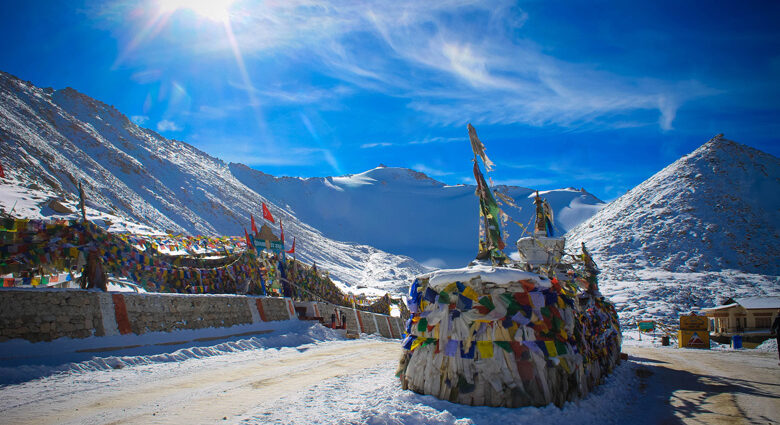
There are places in the world that feel like they belong to another realm—where the sky seems bluer, the air crisper, and the silence deeper. Ladakh, tucked away in the northernmost reaches of India, is one such place. For those dreaming of an unforgettable Viaggio in Ladakh, the legendary road trip circuit from Leh to the high-altitude lakes and hidden valleys is a journey through landscapes that will forever etch themselves into your soul.
Whether you’re an adventure seeker, a nature lover, or someone searching for peace and perspective, the Ladakh Circuit offers an experience that is as transformative as it is beautiful. In this guide, we’ll explore the must-see destinations, the magic of the road, and insider tips to make your Viaggio in Ladakh truly extraordinary.
Why Choose Ladakh for Your Next Adventure?
Ladakh is not just a destination—it’s a feeling. Known as the “Land of High Passes,” it sits between the mighty Himalayas and the Karakoram Range, offering a raw, unspoiled beauty that few places on earth can match. Here, monasteries cling to cliffs, turquoise lakes mirror the skies, and ancient cultures thrive amidst stark mountain deserts.
A Viaggio in Ladakh is perfect for those who crave:
- Adventure: High-altitude passes, trekking, motorbiking, river rafting.
- Culture: Tibetan-Buddhist heritage, ancient monasteries, vibrant festivals.
- Nature: Pristine lakes, dramatic valleys, rare wildlife.
- Solitude: Vast open spaces and star-studded night skies.
Starting Point: Leh, the Heart of Ladakh
Your journey begins in Leh, the historic capital of Ladakh and the region’s main hub. Leh is a charming town set at 3,500 meters (11,500 ft) above sea level, surrounded by snowy peaks and dotted with whitewashed stupas and fluttering prayer flags.
Acclimatization is Key:
Before venturing further, spend 2-3 days in Leh to acclimatize to the altitude. Use this time to explore:
- Leh Palace: An ancient royal residence with panoramic views.
- Shanti Stupa: A white-domed stupa offering peaceful sunset vistas.
- Old Town: Meander through narrow lanes, local markets, and traditional Ladakhi homes.
The Classic Ladakh Circuit: Route Overview
The Ladakh circuit is a loop that covers the region’s iconic lakes and lesser-known valleys. The most popular route is:
Leh → Nubra Valley → Pangong Lake → Tso Moriri Lake → Leh
This circuit can be done clockwise or counterclockwise, typically taking 6-10 days.
Leh to Nubra Valley: Over the Mighty Khardung La
Distance: ~120 km
Highlight: Khardung La Pass (5,359 m / 17,582 ft)
The first leg of your Viaggio in Ladakh takes you north over Khardung La, once considered the highest motorable pass in the world. The drive is thrilling, with hairpin bends and views that extend to the horizon.
Nubra Valley:
Descending from Khardung La, the landscape transforms. The Nubra Valley is an oasis of sand dunes, orchards, and poplar-lined villages set between snow-capped mountains.
Must-see in Nubra:
- Diskit Monastery: Home to a giant Buddha statue and panoramic valley views.
- Hunder Sand Dunes: Ride a Bactrian (double-humped) camel on the high-altitude “desert.”
- Turtuk: A remote Balti village near the Pakistan border, known for its unique culture and apricot orchards.
- Sumur and Panamik: Visit hot springs and tranquil villages on the Shyok River.
Stay:
Guesthouses, eco-cottages, and boutique camps in Diskit, Hunder, or Turtuk.
Nubra Valley to Pangong Lake: The Jewel of Ladakh
Distance: ~170 km (via Shyok route)
Leave Nubra and take the scenic Shyok River route to Pangong Lake, the most iconic stop on any Viaggio in Ladakh. This route is less travelled but offers dramatic riverscapes, wildlife sightings, and ever-changing colors.
Pangong Tso:
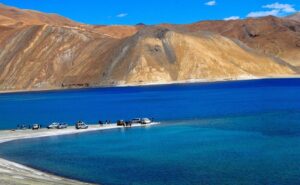
At 4,350 meters (14,270 ft), Pangong Lake is famous for its surreal blue waters that stretch across the Indo-China border. The sight of the lake—set against barren mountains and often reflecting the sky’s changing hues—is pure magic.
Things to do:
- Photography: Sunrise and sunset are breathtaking.
- Birdwatching: Spot migratory birds and rare Brahminy ducks.
- Stargazing: With minimal light pollution, the night sky is a spectacle.
- Village Walks: Visit villages like Spangmik and Merak for a glimpse of local life.
Stay:
Eco-camps and homestays along the lakeshore. Note that facilities are basic, but the experience is authentic.
Pangong Lake to Tso Moriri: Into the Wild
Distance: ~220 km (via Changthang plateau)
Highlight: Changthang Wildlife Sanctuary
From Pangong, the circuit continues south toward Tso Moriri, crossing the remote and beautiful Changthang plateau. This region is home to the nomadic Changpa herders, wild kiangs (Tibetan wild asses), and rare black-necked cranes.
Tso Moriri Lake:
Higher and more secluded than Pangong, Tso Moriri (4,522 meters / 14,836 ft) is a haven for birdlife and tranquility. The lake’s deep blue hues and surrounding snow-capped peaks create a landscape of otherworldly beauty.
Things to do:
- Korzok Monastery: One of the world’s highest monasteries, overlooking the lake.
- Nature Walks: Explore the shores and spot wildlife.
- Nomadic Life: Interact with Changpa families and learn about their traditions.
Stay:
Simple guesthouses or luxury camps in Korzok village.
Hidden Valleys Off the Beaten Path
For those seeking more from their Viaggio in Ladakh, consider detours into hidden valleys:
- Zanskar Valley: Known for dramatic gorges, ancient monasteries (like Phuktal), and the frozen Chadar Trek in winter.
- Dah-Hanu: The “Aryan Valley,” home to the Brokpa people with a distinct culture and lineage.
- Markha Valley: A trekker’s paradise, dotted with remote villages and monasteries.
Each valley offers its own blend of adventure, culture, and isolation—perfect for those wanting to explore beyond the usual tourist route.
Practical Tips for Your Viaggio in Ladakh
Acclimatize Properly:
Altitude sickness is real. Rest in Leh for at least two days before heading higher. Hydrate, eat light, and avoid alcohol.
Travel Season:
The best time for a Viaggio in Ladakh is from June to September, when roads are open and the weather is pleasant.
Permits:
Foreigners need Inner Line Permits for Nubra, Pangong, Tso Moriri, and some other areas. Your travel agent or hotel can help arrange these.
Transport:
The Ladakh Circuit is best done by private vehicle (jeep, SUV, or motorbike). Shared taxis and buses are available but less flexible.
Packing Essentials:
Warm clothing (even in summer), sunscreen, sunglasses, sturdy shoes, basic medicines, and reusable water bottles are musts. Electricity and mobile connectivity can be patchy.
Respect Local Culture:
Ladakhis are deeply spiritual and welcoming. Dress modestly, ask before photographing people or religious sites, and support local businesses.
Sustainable Travel:
Ladakh is ecologically fragile. Carry back your waste, avoid single-use plastics, and stay in eco-friendly accommodations where possible.
Experiencing the Magic: Why a Viaggio in Ladakh Changes You
A Viaggio in Ladakh is not just about the places you see, but the way you experience them. It’s about driving through passes where prayer flags flutter in the wind, sipping butter tea with monks, listening to the sound of silence by a mirror-like lake, and watching the Milky Way stretch from horizon to horizon.
It’s about slowing down, connecting with nature and people, and discovering parts of yourself you never knew existed.
Conclusion: The Road Awaits
The Ladakh Circuit from Leh to the high-altitude lakes and hidden valleys is more than a journey—it’s a rite of passage for true travelers. Every curve on the road, every pass you cross, and every village you visit will leave you with stories to tell and memories to cherish.
So, are you ready for your Viaggio in Ladakh? Pack your sense of wonder, hit the road, and let Ladakh show you the meaning of adventure.
