
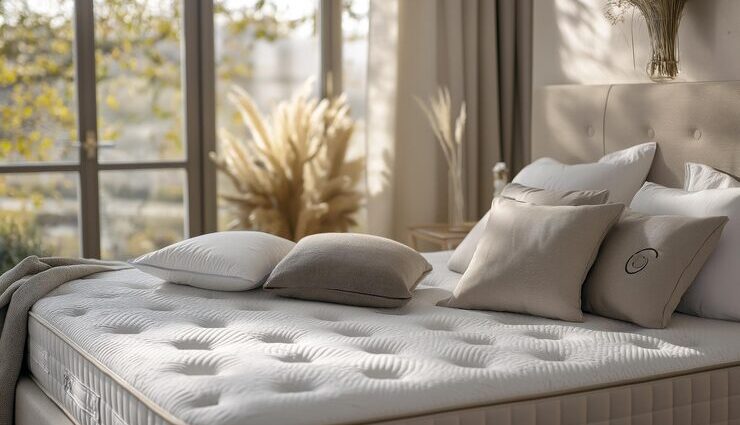
A good night’s rest shapes how the next day unfolds. Waking up refreshed helps the body function well. Yet many people overlook the role their sleeping surface plays in this process. The right foundation makes all the difference.
Choosing a sleeping surface involves more than just comfort preferences. Proper alignment of the backbone during rest prevents morning aches. It also supports long-term health and mobility. This guide explores the key factors in finding the best mattress in Singapore for spinal wellbeing.
Understanding Spine Alignment During Sleep
The backbone has a natural curve that needs proper support throughout the night. A surface that is too soft lets the hips sink too low. One that is too firm pushes the shoulders and hips up unnaturally. Finding the right balance keeps the spine in its natural shape.
The Importance of Neutral Posture
Neutral posture means the spine stays in its natural alignment. The ears, shoulders, and hips form a straight line. This position reduces stress on muscles and joints during rest. It also prevents strain that builds up over many hours.
How Support Differs from Comfort
Support keeps the spine straight while lying down. Comfort provides the softness that feels pleasant to the body. Both elements must work together for optimal spinal health. A surface can feel soft yet still offer firm support underneath.
Matching Firmness to Sleeping Position
Different sleeping positions require different levels of surface firmness. Side sleepers need more give at the shoulders and hips. Back sleepers require balanced support across the entire body. Stomach sleepers need the firmest surfaces to keep the pelvis level.
- Side sleepers need cushioning for shoulders and hips.
- Back sleepers benefit from medium-firm surfaces.
- Stomach sleepers require firmer support overall.
- Weight distribution affects how firmness feels.
- Personal preference still plays a significant role.
Material Options and Their Effects
Different materials offer varying levels of support and pressure relief. Memory foam closely moulds to the body’s shape. Latex provides a bouncier feel with excellent responsiveness. Innerspring units offer traditional support with more airflow. Each type brings unique benefits for spinal health.
Memory Foam
Memory foam contours precisely to the body’s curves. This material distributes weight evenly across the surface. It works well for side sleepers who need pressure point relief. The foam responds to body heat, providing a personalised fit.
Latex
Latex springs back quickly after compression. This material provides good support without the sinking sensation. It suits back sleepers who need consistent spinal alignment. Natural latex also resists dust mites and mould.
Hybrid Designs
Hybrid options combine foam layers with innerspring cores. This mix offers both pressure relief and responsive support. Many people find this combination works well for various sleeping positions. Hybrids combine the best features of both materials.
The Role of Body Weight
Body weight influences how much a surface compresses under pressure. Heavier individuals need firmer surfaces to prevent excessive sinking. Lighter individuals may prefer softer options for proper contouring. Matching the surface to body weight ensures correct spinal support.
- Heavier bodies create more pressure on the surface.
- Higher density foams offer better support overall.
- Lighter individuals need less firmness for comfort.
- Weight distribution affects spinal alignment directly.
- Testing the surface gives the clearest guidance.
Trial Periods and Testing
Most retailers offer trial periods for trying surfaces at home. This allows real-world testing of comfort and support levels. A minimum of several weeks provides enough time to assess suitability. This period lets the body adjust to the new surface.
Testing at Home
Using the surface for a full night gives the best indication of support. Morning aches indicate poor spinal alignment during sleep. This feedback helps determine if the surface works well. Pay attention to how the body feels upon waking.
Return Policies
Understanding return policies before purchase avoids future issues. Some companies offer full refunds during the trial window. Others charge restocking fees for returned products. Reading the fine print prevents unpleasant surprises later.
Making the Final Choice
Narrowing down options requires comparing features and benefits. The orthopedic mattress category focuses specifically on spinal health. These products use targeted support zones for proper alignment. Such designs address the specific needs of the backbone.
- Test surfaces in person for sensory feedback.
- Lie down for several minutes to assess comfort.
- Pay attention to pressure points and body feel.
- Consider climate and breathability needs.
- Look for warranties that show product confidence.
An orthopedic mattress in Singapore should suit the local climate. Breathable materials prevent heat buildup during warm nights. This ensures comfortable sleep throughout the year. The tropical weather makes airflow an important consideration.
Summary of Key Factors
The table below provides a quick reference for choosing the right surface.
| Factor | What to Consider |
| Sleeping Position | Side, back, or stomach determines firmness needs. |
| Material Type | Memory foam, latex, or hybrids affect support levels. |
| Body Weight | Heavier bodies need firmer, denser materials. |
| Trial Period | Test the surface at home before final commitment. |
| Warranty | Longer coverage indicates better product confidence. |
Conclusion
Choosing the right sleeping surface protects spinal health for years ahead. Proper alignment prevents morning pain and supports long-term wellbeing. Consider sleeping position, body weight, and material preferences carefully. Testing surfaces at home provides the best indication of suitability. With the right approach, finding the best mattress in Singapore becomes straightforward and rewarding.
Frequently Asked Questions
How often should I replace my sleeping surface?
Most surfaces need replacement every seven to ten years. Wear and tear reduces support over time. Morning aches often signal it is time for a new surface.
Can a surface really help with back pain?
Yes, proper support maintains spinal alignment throughout the night. This reduces stress on muscles and joints. Many people experience significant pain relief with the right surface.
What firmness is best for back sleepers?
Medium-firm surfaces provide the best support for back sleepers. This keeps the pelvis level and spine straight. It prevents the lower back from arching too much.
Is memory foam effective for spinal support?
Memory foam contours well to body curves. This provides good pressure relief for side sleepers. Higher-density foams offer better support for back and stomach sleepers.
You Can Read Also: The Right Mattress for You: Queen Size or Super Single?
